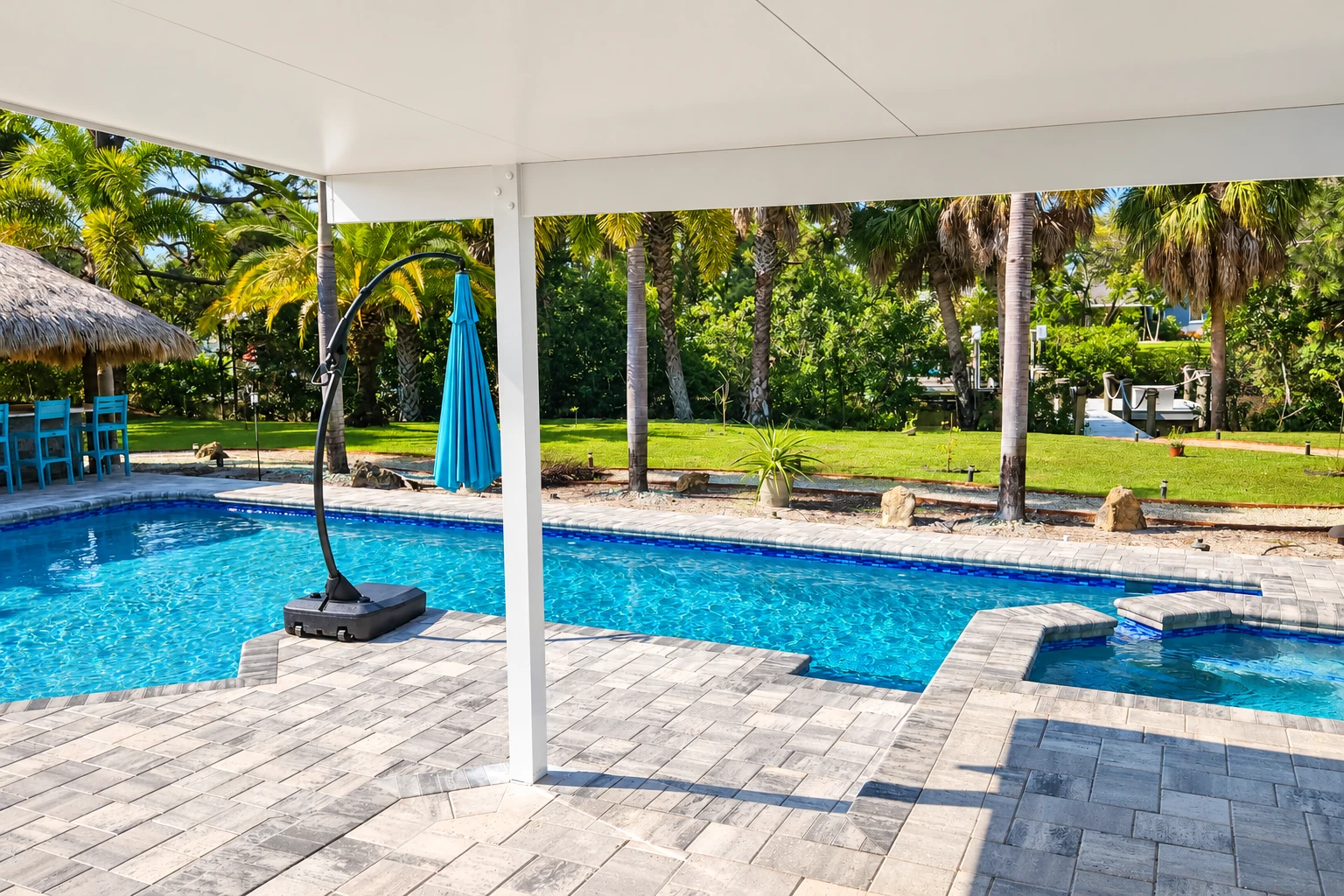
Concrete parking lot building in Lodi CA - pavement sized for the traffic it carries
Cracked, pooling or worn-out lot that customers have to dodge? We build a concrete lot planned for the traffic that crosses it every day.
A lot that lasts starts under the surface, with the base dug out and packed, the water's path worked out and the pavement sized for its traffic. We get those right before the truck shows up, then pour, cut joints and finish.
- Fully licensed and insured.
- Free in-person estimates.
- Expect a reply within 1 business day.
A lot that holds up under traffic
Fully licensed and insured
We're fully licensed and insured on every lot, from the first stake in the ground to cleanup.
I measure it myself
I come out to measure the lot, and I'm on site with our crew when we set forms and pour.
What does building a concrete parking lot in Lodi involve?
Concrete parking lot building in Lodi, CA starts with a look at the site and a decision on how thick the pavement has to be for the cars and trucks that use it, then moves through base work, forming, pouring and finishing, with checks along the way. The price mostly follows the lot's size, how much old paving comes out, how much digging and base the ground needs and how thick the traffic calls for. The schedule turns on the weather around pour days, whether we pour in sections so part of the lot stays open, and curing, the wait while the concrete gains strength before cars go on it. When I come out, I walk the lot, measure it and go over your options and what to expect before you decide.
How do you know your lot needs replacing?
Water standing after rain
Puddles that sit in the same stalls for days mean the surface has settled or was never sloped to drain, and standing water keeps working into the base underneath.
Cracks that keep spreading
A few hairline cracks are normal in concrete, but cracks that widen, branch out or have edges at different heights usually mean the base under them has moved.
Sunken or tipped sections
Slabs that have dropped or tipped at the joints catch toes and tires. If the building next to them has settled too, look at foundation raising first.
A surface breaking apart
When the surface flakes, crumbles or breaks into potholes where cars turn, it's failing from the top down, and patching usually just moves the problem a few feet.
How we build a concrete parking lot, step by step
You call or send a request
- Call (209) 280-3061 or use the form
- Share rough size, surface and traffic
- Tell us when the lot gets busiest
- We call back to set a visit
I measure and walk the lot
- I measure the lot myself
- I check where the water runs
- We talk through pervious sections
- We go over the estimate together
We prep, form and pour
- Old surface out, base dug and packed
- Forms, grades and joints checked first
- I'm on site for forms and pour
- Joints cut in time to do their job
We walk the finished lot
- We walk the finished lot with you
- Cars wait until the slab cures
- Site cleaned up before we leave
- Your satisfaction, guaranteed
Ask for a free estimate on your lot
Send the lot's rough size, current surface and daily traffic, and we'll reply within one business day to set a time for me to come measure it, with no obligation.
Questions about concrete parking lots
Here's what Lodi property owners ask most about concrete lots. If your question isn't here, call (209) 280-3061 and I'll talk it through.
How long does a concrete parking lot last?
A concrete lot built with a design and methods suited to parking can give satisfactory service for many years with little maintenance, according to concrete industry guidance. That same guidance says getting the design right at the start is what keeps a lot economical over its life, which is why I start with the site and its traffic.
How much does a concrete parking lot cost in California?
Installed slab work in California usually costs about $7 to $20 per square foot, labor and materials included. That's a statewide range for slab work in general, not our price or a Lodi parking lot figure, and size, base work and thickness move it. When I measure your lot, I'll go over your options and what to expect.
What does Lodi require for a private parking lot's design?
Lodi requires private lots to follow their development approvals, the city's codes and design standards and accepted engineering practice, and any change needs approval from both the City Engineer and the Building Department. The city also requires commercial-type driveways, set so the street beside the lot carries no lot-only traffic, and a layout that matches its parking standard plan.
Will a new concrete parking lot crack like the old one did?
Most concrete gets some hairline cracks, and I'd rather say so now than promise otherwise. We work to keep them in the joints and the slab from settling by packing the base, cutting joints in time and avoiding midday pours. Ask how the pavement will be compacted, since that's a key part of it reaching its strength.
Is pervious concrete a good choice for my parking lot?
It can be for the right part of the lot. Stormwater guidance says porous paving does best in low-traffic, slow areas like overflow or employee parking, because heavy traffic compacts it and brings in fine dirt that clogs it. It also says the soil underneath should drain at least 0.52 inches per hour, which soil tests on the lot confirm.
When is the best time to add porous paving to a lot?
The best time is when you're already planning to resurface or rebuild the lot, since stormwater guidance finds porous paving most cost-effective as part of that work. Permeable pavement keeps working in most storms even as it soaks in less over time, and regular inspections and upkeep can limit or win back that loss.
Other work that goes with a lot
- Service
Concrete footings
Carports, shade structures and gates at the edge of a lot need footings poured deep and wide enough to carry them, set before the paving goes in.
Read more Concrete footings - Service
Foundation raising
If the building beside your lot has sunk, raising it comes before new paving goes in against its walls, so the slab meets a structure that's stopped moving.
Read more Foundation raising - Service
Concrete cutting
When old slabs, curbs or a driveway entrance have to come out in clean sections, saw cutting leaves a straight edge for the new lot to meet.
Read more Concrete cutting
Get a free estimate for your lot
Request an estimate- VisitLodi, CA 95240
- Call(209) 280-3061
- Emailhello@lodiconcretecompany.com
- HoursMon–Fri: 6 AM–11 PM, Sat–Sun: 8 AM–9 PM
Lodi and the cities around it
We're based in Lodi and pour concrete across the cities around it, including Stockton and Elk Grove. Pick your area below, or call (209) 280-3061 if yours isn't listed.